
This post contains affiliate links. When you click and make a purchase, TenaWorks may earn a commission at no extra cost to you. As an Amazon Associate I earn from qualifying purchases. See our affiliate disclosure for details.
Dark spots are the concern women bring to dermatologists more often than wrinkles, and they are also the one where the wrong product does the most damage. A spot that is melasma will get worse under a treatment that clears a sun spot beautifully. A mark left by a healed blemish fades on its own within a year, and scrubbing at it with acids extends that timeline rather than shortening it.
So the useful first step is working out which of three different types are on your face. Because each type has different causes, different treatments, and very different prognoses.
After 40 the odds shift toward the hardest one. Sun exposure has been accumulating for four decades, cell turnover has slowed, and the hormonal changes of perimenopause can switch on melasma in women who never had it. What often happens is that a spot appears, an over-the-counter product fades it partway, and then it returns every summer, which is not a product failure. It is what melasma does.
The good news is that the ingredients now available without a prescription perform close to hydroquinone in head-to-head trials, and they do it without hydroquinone’s long-term problems. The bad news is the timeline. Nothing here works in two weeks, and the difference between people who clear their pigment and people who do not is almost entirely sunscreen.
The Quick Version
Sunscreen is the treatment, not the maintenance step. Every published protocol for pigment includes daily broad-spectrum SPF, and without it the rest of what you buy will not hold.
Identify the spot first. Sun spots are flat, brown, sharply defined, and sit where sun lands. Melasma is a larger blotchy patch, usually symmetric, usually on the cheeks, forehead, or upper lip. Post-inflammatory marks appear exactly where something healed.
Thiamidol and tranexamic acid are the best-supported over-the-counter actives, with published reductions in melasma severity comparable to prescription hydroquinone.
Expect eight to twelve weeks minimum before you judge anything, and longer for melasma.
Do not exfoliate aggressively. Irritation makes pigment worse, and this is the most common self-inflicted setback.
The Three Kinds of Dark Spot
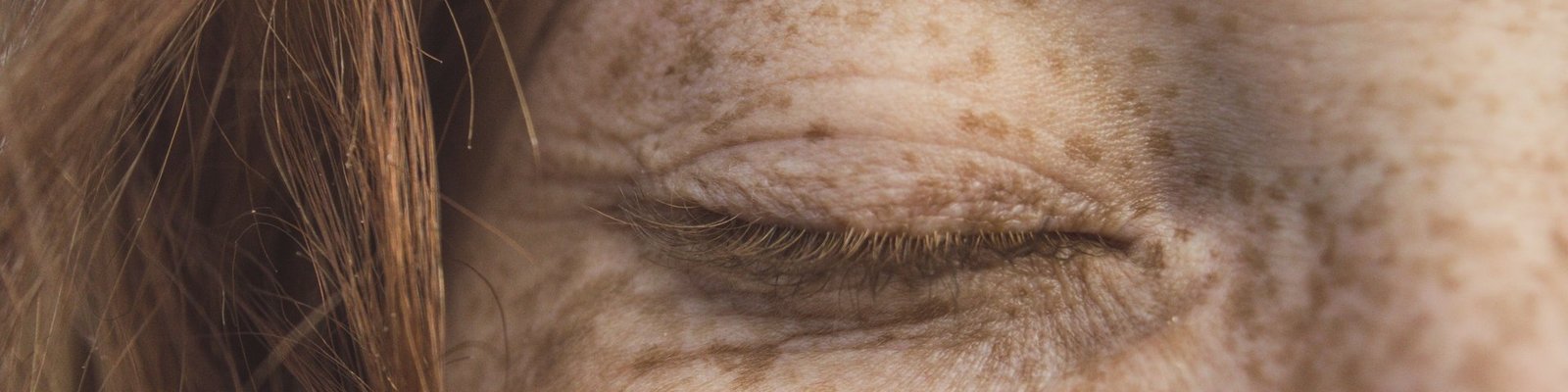
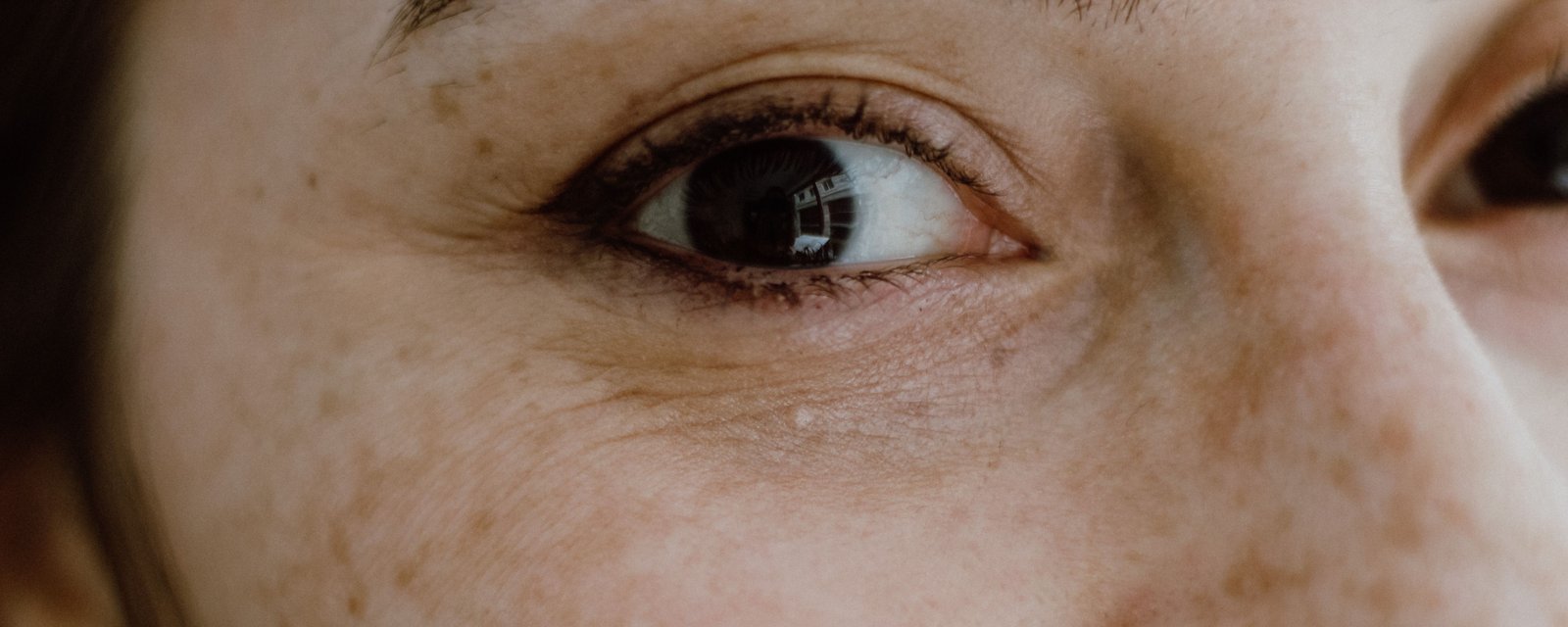
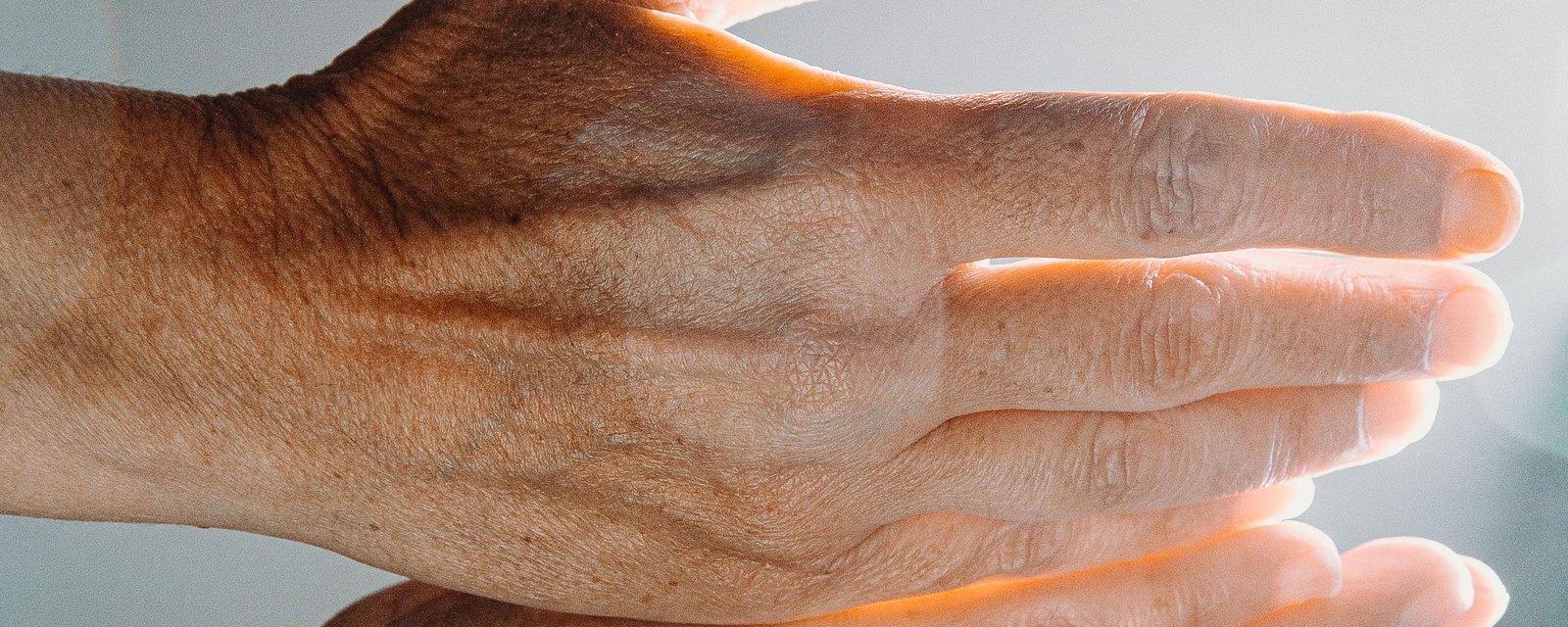
Solar lentigines, the ones most people call age spots or liver spots, are the result of accumulated UV exposure. They are flat, uniformly brown, well-defined at the edges, and they appear on the face, backs of the hands, chest, and shoulders — the places that have taken the most sun. They respond well to topical treatment and they do not usually come back in the same spot if you protect the area.
Melasma looks different: larger patches with soft edges, often symmetrical across both cheeks, and frequently across the forehead and upper lip. It is driven by a combination of UV, heat, and hormones, which is why it appears during pregnancy, on hormonal contraception, and through perimenopause. Melasma is a chronic condition rather than a mark. It improves with treatment, returns with sun and heat, and requires ongoing management rather than a course of anything.
Post-inflammatory hyperpigmentation is the brown mark left after a blemish, a scratch, a burn, or a cosmetic procedure. It’s exactly where the injury was, and it fades on its own over months. Treatment speeds that up. Irritating it slows it down.
Telling melasma from sun damage matters because the treatments diverge. Sun spots tolerate exfoliation and stronger retinoids. Melasma frequently worsens with both, since the inflammation itself stimulates the pigment production you are trying to stop.
What the Research Supports
A 2025 review in the Journal of Dermatological Treatment by Suliman and colleagues assessed the topical alternatives to hydroquinone, which was the standard prescription treatment for decades and carries real limitations with long-term use. The review measured results using MASI, the standard melasma severity score, so the numbers are directly comparable.
Thiamidol produced the largest reductions in the review, in the range of 65 to 78 percent, with a tolerability profile the authors described as significantly better than hydroquinone and no reported allergic contact dermatitis. It works by inhibiting tyrosinase, the enzyme that produces pigment, and it is available over the counter in the United States in Eucerin’s line.
Tranexamic acid showed reductions of 55 to 65 percent, comparable to 2 percent hydroquinone, with patients reporting higher satisfaction because it is easier to tolerate. Dr. Anne Truitt, a board-certified dermatologist in San Diego, puts its standing plainly: “Topical tranexamic acid is considered a first-line treatment for mild melasma.” Dr. Brendan Camp of MDCS Dermatology in New York gives the practical version — look for a product with between 2 and 5 percent of it.
Niacinamide at 4 percent performed at a level not significantly different from 4 percent hydroquinone, with only mild side effects. It interferes with the transfer of pigment from the cells that make it to the cells that show it, and it is also anti-inflammatory, which matters for melasma.
Azelaic acid at 20 percent produced clinically meaningful pigment reduction, and it is selectively toxic to overactive melanocytes rather than normal ones. The over-the-counter strength is 10 percent, so the effect is smaller than the trials showed.
Kojic acid at 1 to 2 percent showed meaningful improvement, and performed comparably to hydroquinone regimens when combined with other agents.
Vitamin C at 5 percent L-ascorbic acid reached a result statistically indistinguishable from 4 percent hydroquinone by month three.
Alpha arbutin is a gentler tyrosinase inhibitor with a smaller evidence base than the above. It is a reasonable starting point for someone with sensitive skin, not a first choice if you have a real melasma problem.
One caution runs through all of it. Dr. Anna Chacon, a board-certified dermatologist in Miami, notes that pigment treatment leaves skin more vulnerable to UV, and that “it is crucial to use sunscreen daily to protect the skin from UV damage.” Every product recommended below assumes you are doing that.
The Products Worth Buying
Prices checked September 25, 2026.
Start here, regardless of which kind of spot you have
| Product | Price | Why it works |
|---|---|---|
| EltaMD UV Clear SPF 46 | ~$45 | Zinc oxide, broad spectrum, and light enough that people actually wear it daily, which is the only property that matters. Every trial cited above ran alongside daily sun protection. Without it, the serums below are a subscription rather than a treatment. |
The best-supported actives
| Product | Price | Why it works |
|---|---|---|
| Eucerin Radiant Tone Dual Serum with Thiamidol | ~$31 | The over-the-counter route to the ingredient with the strongest numbers in the 2025 review. If you have melasma and you are choosing one product, this is the one with the most evidence behind it. |
| Naturium Tranexamic Topical Acid 5% | ~$36 | Tranexamic acid at 5 percent, the top of Dr. Camp’s recommended range, with kojic acid and niacinamide alongside it. Three of the actives above in one bottle, which is unusual at this price. |
| Good Molecules Discoloration Correcting Serum | ~$10 | Tranexamic acid and niacinamide for the price of lunch. Lower concentration than the Naturium and correspondingly slower, but if budget is the constraint this is the honest recommendation rather than a compromise. |
| La Roche-Posay Mela B3 Niacinamide Serum | ~$57 | Niacinamide at a high concentration with the brand’s own pigment-targeting molecule. Expensive for what it is, and the one to choose if your skin is sensitive and everything with acid in it stings. |
Gentler options and specific jobs
| Product | Price | Why it works |
|---|---|---|
| The Ordinary Alpha Arbutin 2% + Hyaluronic Acid | ~$12 | The mildest useful entry point, and a sensible first purchase if you have never used a pigment product and don’t know how your skin will respond. Do not expect it to clear established melasma. |
| The Ordinary Azelaic Acid Suspension 10% | ~$12 | Good for pigment that comes with redness or blemishes, since it treats both. Note the gap between this 10 percent formula and the 20 percent used in the trials. The texture is unusual and some people dislike it under makeup. |
| Differin Adapalene Gel 0.1% | ~$13 | A retinoid available without a prescription, and the strongest choice for post-inflammatory marks left by blemishes, since it treats the cause and the mark together. Not the right pick for melasma, where the irritation can backfire. |
| Naturium Vitamin C Complex Serum | ~$17 | Morning antioxidant support that also contributes to brightening, and it works with your sunscreen rather than competing with your evening treatment. Covered in more detail in our vitamin C serum guide. |
Building the Routine
You need fewer products than the overview implies. One pigment active, one sunscreen, and a moisturizer that keeps your barrier intact is a complete protocol.
Morning: cleanse, vitamin C if you use it, moisturizer, sunscreen. Reapply the sunscreen if you are outside for any length of time, because the protection is measured over hours rather than a day.
Evening: cleanse, your pigment active, moisturizer. If you also use retinol for lines, alternate nights rather than layering them, at least until you know how your skin handles both.
Introduce one product at a time and give it four weeks before adding anything. Stacking three new actives in a week is how people end up with irritation that produces more pigment than they started with, which is the specific trap in this category.
If you are treating melasma, add heat to your list of triggers. Hot yoga, saunas, standing over a stove, and long sun exposure all aggravate it independently of UV, which is why melasma often returns in summer even in someone who never skips sunscreen.
What to Expect, and When
Weeks one to four generally produce nothing visible. This is normal and it is where most people give up.
Weeks four to eight bring the first change, usually a softening at the edges of a spot rather than obvious lightening.
Weeks eight to twelve is where results become clear on solar lentigines and post-inflammatory marks. Melasma takes longer and improves partially rather than completely.
Beyond twelve weeks, sun spots continue to fade and melasma needs an ongoing maintenance routine to hold what you gained. Stopping treatment entirely usually means the patch returns within a season.
The published trials ran for eight to twelve weeks. If a product has not moved anything in three months of consistent daily use with sun protection, it is the wrong product for your kind of pigment, and a dermatologist can tell you which kind you have in about ninety seconds.
Mistakes That Make Pigment Worse
Skipping sunscreen on cloudy days or indoors near windows. UVA passes through glass and drives pigment. This single habit explains most of the treatments that “stopped working.”
Exfoliating aggressively. Scrubs, high-strength peels, and daily acids create inflammation, and inflammation is a pigment trigger. Gentler and slower genuinely wins here.
Picking at blemishes. The mark left afterward is proportional to how much the area was traumatized.
Changing products every three weeks. Nothing in this category shows results on that timeline, and constantly restarting means you never complete a course of anything.
Treating melasma like sun damage. The stronger the treatment, the more likely melasma flares. This is the one where restraint outperforms enthusiasm.
Using lightening products of unknown origin. Imported creams sold for skin lightening have repeatedly been found to contain mercury or unlabeled steroids. Buy from brands that publish their formulas.
When to See a Dermatologist Instead
A spot that is changing in size, shape, or color, or that has an irregular border or more than one color in it, needs a professional look rather than a serum. That is the important sentence on this page.
Melasma that covers large areas, or that has not responded to three months of consistent over-the-counter treatment, is worth a prescription conversation. Options like tretinoin, prescription-strength azelaic acid, and in-office procedures exist for exactly this situation.
Pigment that appeared suddenly, or alongside any other symptom, is worth having looked at rather than treated at home.
FAQ
How long does it take to fade a dark spot?
Eight to twelve weeks for sun spots and post-inflammatory marks with consistent use. Melasma improves in that window but is managed rather than cured.
Is hydroquinone still the gold standard?
It works, and it now has over-the-counter competition that performs comparably in trials. Thiamidol and tranexamic acid both reached results close to hydroquinone with better tolerability, which is why dermatologists reach for them earlier than they used to.
Can I use vitamin C and tranexamic acid together?
Yes. Vitamin C in the morning and your pigment active at night is the cleanest arrangement, and it avoids stacking two things that can sting.
Why do my dark spots keep coming back every summer?
That pattern is characteristic of melasma rather than sun damage. It responds to UV and heat, so it recurs seasonally unless sun protection is genuinely daily and year-round.
Do dark spot correctors work on hands and chest?
Yes, more slowly. Skin on the hands turns over more slowly than facial skin and gets more incidental sun, so expect a longer timeline and use sunscreen there too.
Is retinol good for dark spots?
For post-inflammatory marks and sun damage, yes, and it addresses lines at the same time. For melasma it is less predictable, because the irritation can trigger more pigment. Our retinol guide for beginners covers how to start without that problem.
What about at-home peels and microneedling?
Both can help sun spots in trained hands and both can worsen melasma. The risk of doing it yourself is not that nothing happens. It is that you create the inflammation that produces more pigment.

I write TenaWorks for women who are past being sold miracles. Everything here is checked against what dermatologists actually say, tested against what a real routine can sustain, and written for skin that has some history behind it.
Written by Marie for TenaWorks. Product prices verified 25 September 2026 and subject to change. This article is general information, not medical advice.